                     WORLD WUSHU PARTNERSHIP
                              │
    ┌─────────────────────────┼─────────────────────────┐
    │                         │                         │
    ▼                         ▼                         ▼
WORLD WUSHU FEDERATION WORLD WUSHU CONFEDERATION WORLD WUSHU COUNCIL
│ │ │
│ │ │
└─────────────────────────┼─────────────────────────┘
│
▼
WORLD WUSHU ORGANIZATION
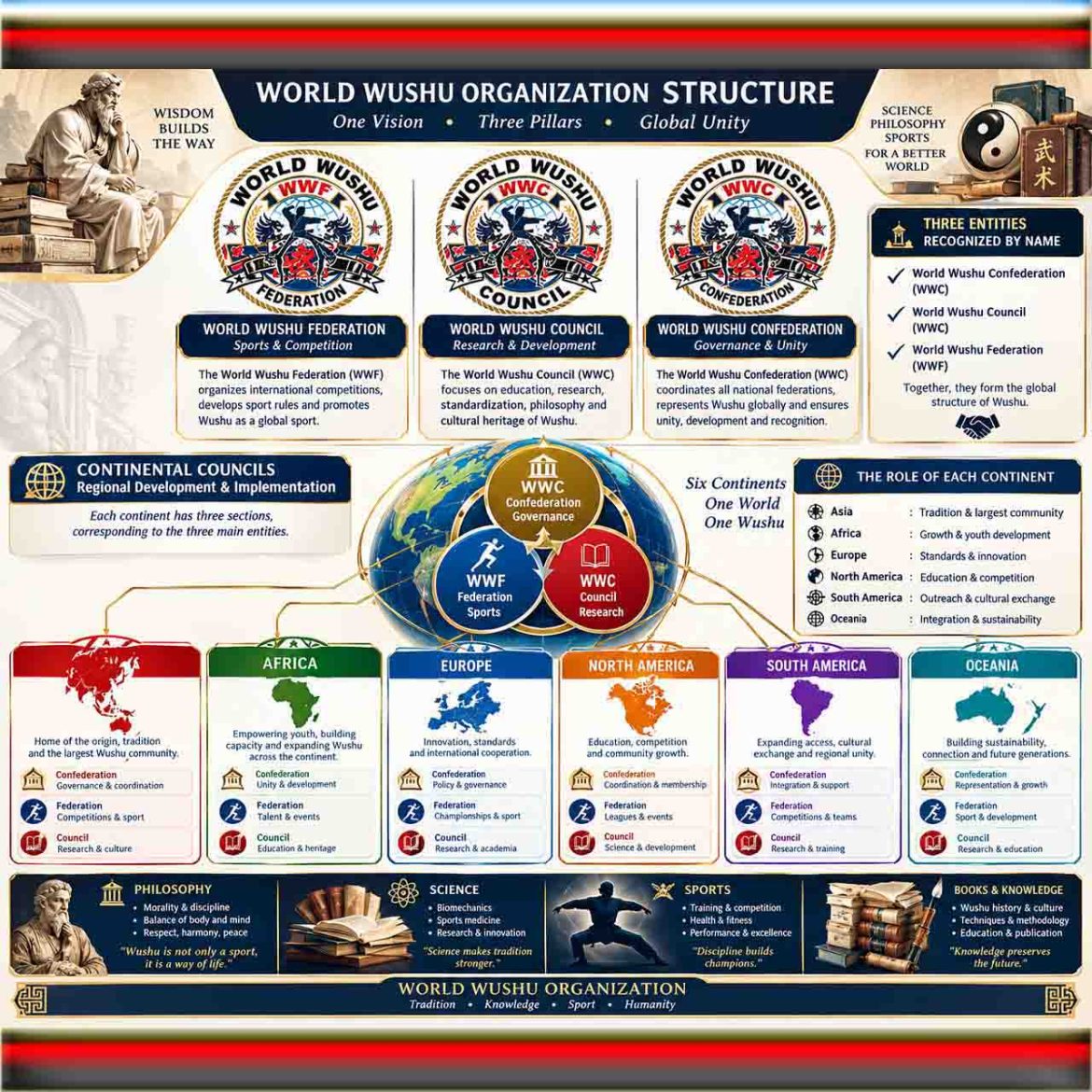
1. World Wushu Federation — WWF
Role: Global Governing & Regulatory Body
The World Wushu Federation serves as the principal global federation responsible for the governance, regulation, standardization, recognition, and international development of Wushu.
Core responsibilities:
- Global governance and regulatory standards
- Rules, technical standards, and competition frameworks
- International recognition and representation
- Athlete and competition development
- Global federation relations
2. World Wushu Confederation — WWC
Role: Continental & Regional Partnership Body
The World Wushu Confederation serves as the international partnership platform connecting continental and regional Wushu structures and supporting coordinated development across geographic regions.
Core responsibilities:
- Continental and regional coordination
- Development programs
- Regional partnerships
- Capacity building
- Coordination between national and continental structures
3. World Wushu Council — WWC / Wushu Council
Role: Strategic, Advisory & Institutional Council
The World Wushu Council functions as an independent strategic and advisory institution, bringing together distinguished experts, leaders, athletes, educators, and stakeholders to provide long-term vision and institutional guidance for the development of Wushu.
Core responsibilities:
- Strategic vision
- International policy recommendations
- Expert and stakeholder representation
- Ethics and institutional integrity
- Education, research, culture, and heritage
- Long-term global development strategy
4. World Wushu Organization — WWO
Role: Development, Programs & Global Operations Platform
The World Wushu Organization serves as an independent operational and development organization responsible for implementing international programs, projects, events, education, promotion, and strategic initiatives in cooperation with the other three institutions.
Core responsibilities:
- Global development programs
- Events and international projects
- Education and training
- Promotion and communication
- Commercial and institutional partnerships
- Implementation of joint initiatives
The Relationship Between the Four Institutions
The key principle should be:
Independent in Identity — Unified in Vision — Connected through Partnership
Each institution should have its own legal identity, governance, leadership, membership structure, programs, and decision-making authority, while participating in a common strategic ecosystem.
Partnership Model
                 ONE GLOBAL WUSHU VISION
                          │
                          ▼
             WORLD WUSHU PARTNERSHIP
                          │
   ┌──────────────────────┼──────────────────────┐
   │                      │                      │
   ▼                      ▼                      ▼
  WWF                    WWConf                  Wushu Council
GOVERNANCE DEVELOPMENT STRATEGY
│ │ │
└──────────────────────┼──────────────────────┘
│
▼
WWO
IMPLEMENTATION & PROGRAMS
WORLD WUSHU PARTNERSHIP
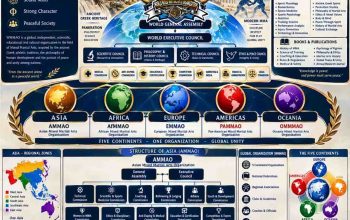
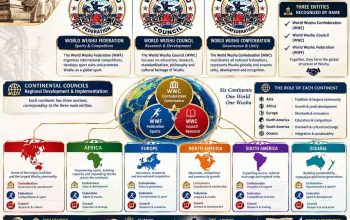
The World Wushu Federation, World Wushu Confederation, World Wushu Council, and World Wushu Organization constitute a complementary international partnership ecosystem dedicated to the global development, promotion, governance, and advancement of Wushu.
Each institution maintains its own independent identity, governance structure, legal status, leadership, membership, and operational mandate.
At the same time, the four institutions are strategically connected through a common vision and cooperative framework, working as complementary partners rather than as subordinate entities.
World Wushu Federation provides global governance, regulatory leadership, standards, and international federation coordination.
World Wushu Confederation provides continental and regional coordination, development partnerships, and geographic expansion.
World Wushu Council provides strategic vision, expert guidance, institutional dialogue, ethics, education, research, and long-term policy development.
World Wushu Organization provides operational implementation, international programs, events, education, promotion, partnerships, and development initiatives.
Together, the four institutions form an integrated global Wushu ecosystem based on the principle:
“Independent Institutions — Shared Vision — Strategic Partnership — Global Wushu Development.”
No institution supersedes the independent legal or organizational identity of another. Cooperation shall be established through partnership agreements, joint initiatives, shared programs, and mutually agreed strategic frameworks.
The four institutions may establish joint committees, working groups, programs, events, research initiatives, educational platforms, and international development projects whenever such cooperation serves their shared objectives.